

Vitamin IV therapy is everywhere right now, especially in Austin where heat, travel and busy schedules make quick recovery a priority. Here is a straightforward look at what the evidence suggests vitamin IV drips do well, where the science is mixed, and when they are unlikely to help. If you match the right drip to the right goal, you can get real value. If you expect a cure‑all, you will be disappointed.
How vitamin IV therapy works, in plain English
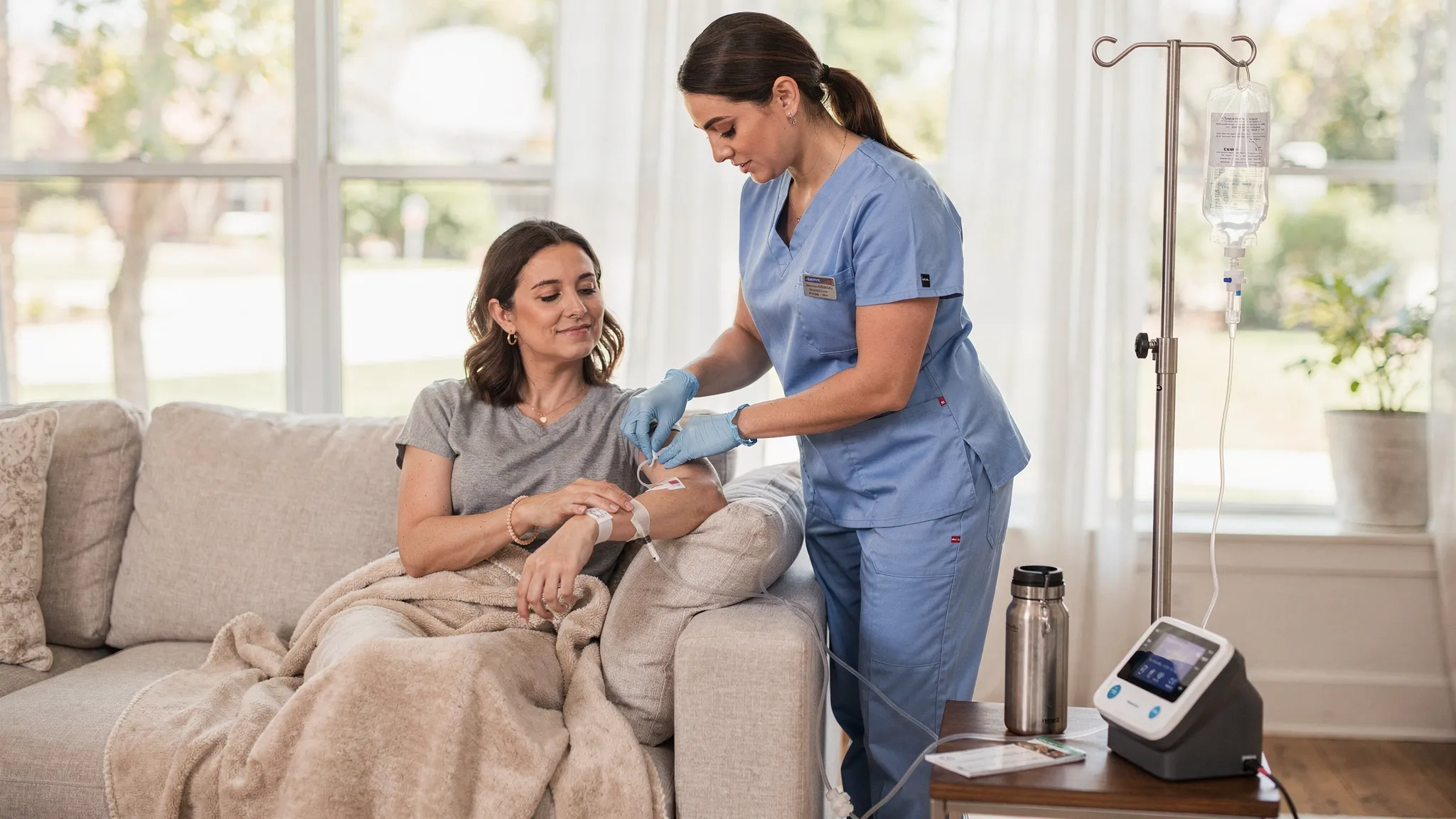
An IV drip delivers fluids, electrolytes and selected nutrients directly into your bloodstream. This bypasses digestion, so bioavailability is higher than with oral supplements, and peak blood levels are reached faster. Water soluble vitamins like C and the B family circulate and are used or excreted within hours, while hydration and electrolytes restore fluid balance. A session typically takes 35 to 60 minutes with placement of a small catheter by a trained professional.
IV therapy is supportive care for wellness goals such as hydration, recovery and targeted nutrient replenishment. It is not a replacement for medical treatment, emergency care, or daily habits like sleep, nutrition and exercise.
What works reliably
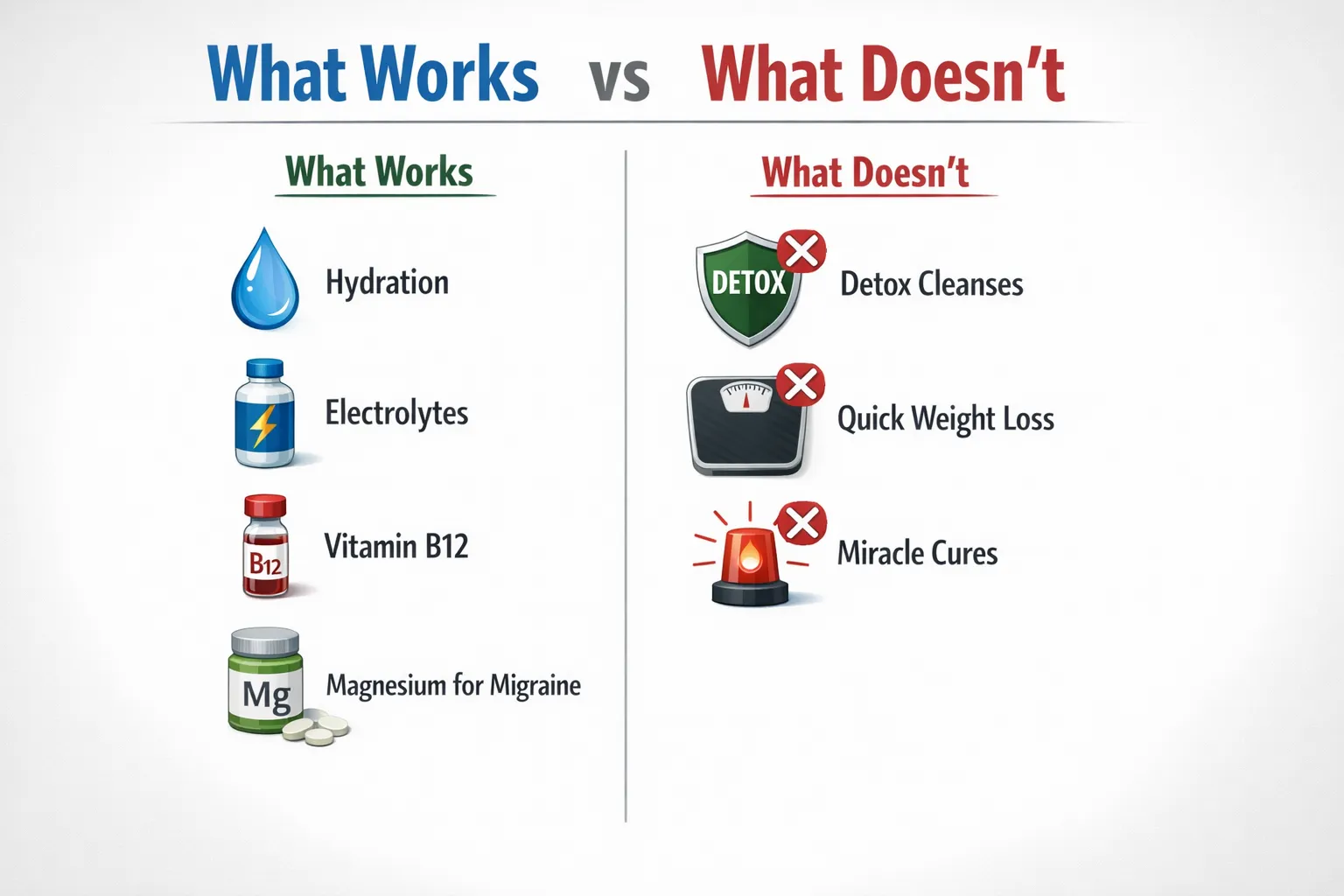
Rapid rehydration and electrolytes
If you are mildly to moderately dehydrated after a long flight, a day in the Austin heat, a stomach bug, or a tough training block, IV fluids with electrolytes can restore plasma volume and relieve symptoms like headache, lightheadedness and fatigue. Oral rehydration is effective for most people, but IVs can be helpful when you need faster relief or when nausea makes it hard to drink. The National Athletic Trainers’ Association notes that both oral and intravenous strategies can be valid tools, and IVs are useful when rapid restoration is needed or the gut is not cooperating. See the NATA position statement on fluid replacement for details on hydration strategies and safety considerations Journal of Athletic Training, open access.
Correcting true nutrient deficiencies
Parenteral B12 is a standard approach for people with documented deficiency due to malabsorption or pernicious anemia. In those cases, injections or infusions can correct low levels and improve related symptoms. For people with normal B12 status, adding more B12 is unlikely to increase energy by itself. For a deep dive on who benefits and why, review the NIH Office of Dietary Supplements fact sheet on vitamin B12.
Magnesium for certain migraines
Some clinics use intravenous magnesium during acute migraine attacks, particularly when patients do not tolerate oral medications. Evidence suggests magnesium can help a subset of individuals, and it is often considered in clinical settings. The American Migraine Foundation summarizes how magnesium fits into migraine care. Talk to your clinician about whether this is appropriate for you.
What sometimes helps, but has mixed evidence
Immune support drips (vitamin C, zinc, hydration)
Vitamin C and zinc are well studied for common colds, mainly in oral form. Vitamin C may slightly shorten cold duration for some people, and zinc can help if started early, but routine high dosing does not prevent colds for the general public. IV vitamin C achieves much higher blood levels than oral forms, but outpatient data for everyday infections are limited. See the NIH fact sheet on vitamin C and a Cochrane review on vitamin C and colds for context on benefits and limits of the evidence Cochrane Library.
Bottom line, hydration and rest matter, zinc and vitamin C can play a supportive role, and IV delivery is a convenience and speed tool rather than a proven cure.
Hangover relief
There is no medically proven cure for hangovers. Rehydration, electrolytes, anti‑nausea support and time are the pillars of recovery. Many people feel better faster with IV hydration because it bypasses an irritated stomach and restores volume quickly. The Mayo Clinic’s summary on hangover remedies aligns with this practical approach, emphasizing rest and fluids.
Athletic recovery
For most training days, disciplined oral hydration and nutrition work very well. An IV can be useful when you are short on time, significantly dehydrated, or dealing with GI upset after an intense event in the Austin heat. Competitive athletes should check their sport’s anti‑doping rules before scheduling infusions that include large fluid volumes.
Beauty and skin health
Hydration can plump skin temporarily, and vitamin C supports normal collagen formation. Glutathione is a powerful antioxidant in the body, but high‑quality clinical data for cosmetic skin brightening via IV are limited. Treat any cosmetic benefits as modest and short‑term, and prioritize skin care, sleep, sun protection and nutrition.
NAD+ therapy
NAD+ is central to cellular energy and repair. Early research and many personal reports suggest potential benefits for energy and mental clarity, but robust randomized clinical trials for general wellness are still limited. Consider NAD+ an optional, emerging therapy. Discuss your goals and medical history with a clinician before trying it.
What does not work, or when to skip an IV
- Using IV vitamin therapy to “detox” a healthy body. Your liver and kidneys already handle detoxification. Hydration helps those organs do their job, but an IV is not a detox cure.
- Expecting guaranteed weight loss, a permanent energy fix, or treatment of medical conditions like infections. IV wellness drips are supportive, not curative.
- Treating serious dehydration, chest pain, head injury or other emergencies at home. Call 911 or go to an emergency department.
- Frequent large‑volume infusions if you have kidney disease, heart failure, or are at risk for fluid overload. Always consult your physician first.
Safety first: what to know before you book
Complications are uncommon when IVs are administered by licensed professionals using sterile technique, but risks exist. Most side effects are mild, including local bruising, swelling, or a temporary headache. Rare but serious complications like infiltration, infection, or allergic reactions can occur. The CDC’s guidelines on prevention of catheter‑related infections highlight why training and sterile practice matter.
Talk to your provider about your medications and conditions, especially pregnancy, kidney or heart disease, G6PD deficiency, or known allergies. For a deeper look at potential reactions and how professionals reduce risk, see our guide to IV therapy side effects.
After your session, drink water, avoid heavy workouts for the rest of the day, and skip alcohol until you feel fully rehydrated. These simple steps help you keep the benefits, and our post‑session tips here can help you plan your day what not to do after IV drip therapy.
Choosing a trustworthy provider in Austin
High‑quality IV care looks the same across many healthcare disciplines, personalization plus licensed clinicians plus transparent education.
- Credentials, registered nurses or paramedics perform the sticks, with physician or NP oversight.
- Sterile technique and medical‑grade supplies, plus clear protocols for screening and adverse reactions.
- Thoughtful customization based on your goals, contraindications and timing.
- Clear aftercare guidance and availability for follow up questions.
Even outside IV therapy, the best clinics operate this way. For example, a patient‑centered speech and language therapy center in Dubai emphasizes individualized plans, early intervention and the option for home‑based sessions, a model of quality that translates across wellness services.
If you are new to mobile appointments, here is what a smooth at‑home visit typically looks like, from booking to aftercare, in our Austin guide what to expect from mobile IV therapy.
Quick match guide: goals, what works and what to expect
| Goal | What an IV can do | Evidence snapshot | When to consider it | What not to expect |
|---|---|---|---|---|
| Dehydration from heat, travel, GI upset, or heavy training | Rapid rehydration with electrolytes, faster symptom relief than oral when nausea is present | Supported by sports medicine and athletic training literature for select cases | You need fast relief, or you cannot keep fluids down | A substitute for emergency care in severe dehydration |
| Correct a deficiency (example, B12) | Restore low levels, improve related symptoms | Strong for documented deficiency, see NIH ODS on B12 | Confirmed deficiency, malabsorption, or clinician‑directed therapy | Energy boost if your levels are already normal |
| Acute migraine in select cases | IV magnesium may help some patients | Clinical use with supportive but mixed data, see AMF summary | You and your clinician agree it fits your migraine pattern | Guaranteed relief for every migraine type |
| Immunity support during cold and flu season | Hydration, vitamin C and zinc may support normal immune function | Mixed results, strongest data in oral forms, see NIH and Cochrane | Early in an illness, during high‑stress weeks, before travel | A cure or prevention guarantee |
| Hangover recovery | Hydration, electrolytes, anti‑nausea support | Practical benefit, no proven cure, see Mayo Clinic | You need to be functional the same day, especially if nauseated | A license to overdrink without consequences |
| Beauty and skin glow | Temporary plumping from hydration, vitamin C supports normal collagen | Limited cosmetic data for IVs | Before events, when hydration and sleep are poor | Major or lasting changes in skin without lifestyle support |
| NAD+ for energy and focus | Emerging, subjective benefits reported | Early research, more trials needed | If you want to try an adjunct, with clinician guidance | A replacement for sleep, nutrition, or medical care |
Make vitamin IV therapy work for you
- Define your goal. Hydration for post‑flight fatigue is very different from training recovery or immune support.
- Share your history. Bring up medications, allergies and any lab results, especially if you suspect a deficiency.
- Time it well. Many Austin clients book before a big event, after travel, during peak training, or at the first sign of a bug.
- Support the drip. Eat a light snack, drink water before and after, and prioritize sleep.
- Set a reasonable cadence. Many wellness users choose monthly sessions, athletes may time drips around big efforts, and travelers often schedule pre and post trip. Your clinician can personalize the interval to your goals.
If you are in Austin
IV Bird delivers premium mobile IV therapy across Austin, administered by experienced registered nurses. Whether you want a personalized vitamin drip, simple hydration, hangover relief, an immunity boost, athlete performance support, NAD+ therapy, or a beauty focused blend, we come to your home, hotel or event and tailor the formula to your goals.
Ready to see what works for you in real life, without the guesswork of traffic or crowded waiting rooms, book a mobile session with IV Bird and feel the difference of expert, at‑home care.
Educational note, This article is for information only and does not replace personalized medical advice. Consult your healthcare provider if you have questions about suitability, frequency, or specific medical conditions.
References for further reading,
- NIH Office of Dietary Supplements, Vitamin C
- NIH Office of Dietary Supplements, Vitamin B12
- Cochrane Review, Vitamin C for preventing and treating the common cold
- American Migraine Foundation, Magnesium
- Mayo Clinic, Hangover remedies
- NATA Position Statement, Fluid replacement for athletes
- CDC, Prevention of catheter‑related infections